




What are the uses of artificial intelligence (AI) in education, both now and in the future? This includes, but extends beyond, generative AI. Erica will explore the ethical and policy issues surrounding integration of the technology in schools including how these intersect with the digital rights of students and teachers. She will outline suggested directions for research, policy, and practice.
 Erica Southgate, Associate Professor of Emerging Technologies for Education, University of Newcastle
Erica is a teacher educator and maker of computer games for literacy. She is an expert on AI ethics for education and lead researcher on the VR School Study, the longest-running research on embedding VR into school classrooms across subject areas. Erica is a lead author on the Australian Government commissioned report, ‘Artificial Intelligence and Emerging Technologies (AR, MR and VR) in Schools’ and author of ‘Virtual Reality in Curriculum and Pedagogy: Evidence from Secondary Classrooms’ (Routledge).
Erica is seeking teachers to participate in her Australian Research Council Project Equipping Australian teachers today to face AI tomorrow. If you are interested please contact her at erica.southgate@newcastle.edu.au
A practical session to learn how to create engaging AFL experiences for all of your students. Explore AFL skill acquisition and application in modified games using AFL curriculum-aligned resources, along with differentiation using the CHANGE IT approach. Build your confidence in using equipment and explore the many ways to engage with AFL.
 Adam Bunce, Schools Engagement Lead, AFL Schools
Adam worked as a PE teacher in both Australia and the United Kingdom for 15 years, before moving to sport organisations in 2016. In his role with the AFL Adam works with schools throughout NSW & ACT to shape the lives of students through high quality physical education experiences.
Discover evidence-based strategies and resources to help teaching about vaping and e-cigarettes. Unpack the latest research, trends, and health implications. The session will provide ready-to-use materials and engaging activities to help students make informed decisions and develop critical thinking skills.
 Renee West, Leader, Curriculum Initiatives, NSW Department of Education, Curriculum Directorate
Renee is a passionate PDHPE teacher with experience in NSW rural central and secondary schools. She held the role as PDHPE Advisor for more than a decade, supporting syllabus development and implementation. In her current role, Renee leads and manages internal and external stakeholder engagement with a focus on complex and sensitive issues in the curriculum, including drugs (vaping, volatile substance use) consent, respectful relationships and sexuality education.
Unpack the new Year 7-10 PDHPE syllabus. Jess and Simone will explain the syllabus structure and features, as well as outline key planning considerations for programming and support available for the rollout.

 Jessica Stojkovski and Simone Polley, PDHPE Curriculum Advisers, Department of Education
Jess and Simone are both dedicated PDHPE Curriculum Advisors 7-12, as part of the NSW Department of Education, Secondary Curriculum PDHPE team. The role of this team is to provide ongoing evidence-based support for syllabus implementation, curriculum reform and high quality pedagogy across NSW that meets the needs of teachers, leaders and key stakeholders.
Explore practical strategies to foster collaboration and teamwork within PDHPE classes. Learn how to integrate cooperative learning models and student-centred activities that promote communication, problem-solving, and critical thinking.
 Kelly Pfeiffer, Education consultant
An innovative educator with years of experience, Kelly has a reputation for excellence in the classroom, and as a leader and networking champion. Kelly has a keen eye for emerging trends, and seeking creative ways to engage students and inspire learning. Kelly’s work includes designing engaging curricula using project-based learning and collaborative inquiry approaches.
Learn how to set up and deliver a depth study that focuses on training for improved performance. Norm will provide real-life examples of training programs from his own work with athletes to model the structure and sequence of learning.
Norm Moore, PDHPE teacher, Kinross Wolaroi School
Norm has been a PDHPE teacher at Kinross for 6 years and has 15 years’ experience as a youth and high school athletic development and strength and conditioning coach. While at the Western Regional Academy of Sport he won the Strength of America Award recognising programs that represent the gold standard in strength and conditioning. He has a keen interest in improving our student’s fundamental movement skills in a way that is fun and engaging and has regularly coached junior teams in soccer, basketball, and cricket.
Learn how to use RAP data to its full potential to improve student performance. Unpack simple ways to identify your successes and areas for improvement through analysing your school’s annual RAP data. Participants will need access to their own school’s RAP data for this session.
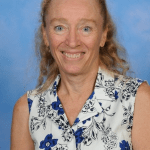 Simone Hope, Deputy Principal, Cheltenham Girls High School
Simone has been a PDHPE teacher for over 30 years, teaching all courses in Stages 4-6. She has been a HSC Marker in PDHPE and CAFS, HSC Judge in CAFS, HSC Senior Judge for CAFS and HSC Senior Marker in CAFS over the past 20 years.
Unpack the new Year K-6 PDHPE syllabus. Cindy will explain the syllabus structure and features, as well as outline key planning considerations for programming and support available for the rollout.
 Cindy Waldock, Curriculum Support Advisor PDHPE K-6, Department of Education
Cindy is a passionate primary educator with more than 25 years’ experience in the classroom as well as school leadership roles. She is currently a PDHPE Curriculum Advisor K-6 for the Department of Education. Cindy has a range of experience in delivering K-6 physical activity workshops, as well as writing accredited professional learning courses for K-6 teachers.
Engaging students on consent and healthy relationships requires a combination of interactive techniques, a supportive environment, and creative approaches. Build your toolkit of strategies and resources and discover how to captivate students’ interest and promote meaningful learning. The session will cover:
- Understanding the core concepts of consent, boundaries, and healthy relationships
- Planning activities that make learning about consent and relationships fun and memorable.
- Creating a safe learning environment – establishing a classroom atmosphere where students feel comfortable discussing sensitive topics.
- Exploring the role of technology in this space.
 Victoria Oettel, Senior Education Officer, Family Planning Australia
Victoria is passionate about supporting teachers with approaches that enhance young people’s engagement in learning. She works with Family Planning Australia supporting educators in teaching sexuality, sexual health and relationships education. She has worked in diverse areas of education in Australia and overseas, and has presented at conferences and forums across Australia.
Explore how to introduce artificial intelligence (AI) into PDHPE classes responsibly. Examine AI applications that enhance student learning and health outcomes, while also addressing the ethical considerations around data privacy, fairness, and bias. Unpack how to balance technological integration with safeguarding students’ well-being and critical thinking.
 Clare Roden, Associate Lecturer, Health and Physical Education/Secondary Curriculum and Pedagogy, University of Wollongong
Clare is an experienced educator with over 20 years experience in high school and tertiary education specializing in Personal Development, Health, and Physical Education and Secondary Curriculum and Pedagogy. She has delivered professional learning to teachers from K – 12 across NSW through ACHPER NSW and is currently teaching the next generation of teachers at the University of Wollongong in both primary and secondary education undergraduate degrees.
 Brooke Garland, PDHPE Teacher, Kandos High School
Brooke is a passionate and motivated fourth-year PDHPE teacher with a rich background in regional education. Starting her career in Wellington, NSW, she has now brought her expertise to Kandos High School. Committed to promoting physical health and well-being, Brooke creates meaningful opportunities for students in regional communities, advocating for the unique needs of smaller schools. As a member of the Early Career Teachers committee with ACHPER, she actively develops learning resources and offers support to new teachers, fostering a collaborative environment and support for new teachers.
Learn how easy it can be to engage classes of 30 students through a game-based approach. Understand ways to cater for varying abilities through differentiation and ensure students drive their learning. Build your confidence to deliver a unit of Tennis in schools to students of all year levels.
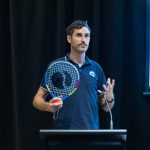 Patrick Landy, Schools Development Manager, Tennis NSW
Patrick has a lifetime of experience in tennis as a player, coach, centre manager and administrator. A qualified Tennis Australia Club Professional Tennis Coach, he has spent many years as a full-time coach before transitioning into venue management. In coach development roles both with Tennis Australia and New Zealand, Patrick has educated many teachers and coaches in the art and science of tennis coaching.
Build strong learning communities to boost student engagement and performance in HMS. This interactive workshop will unpack strategies for fostering collaboration, peer support, and active participation, with the goal of creating an inclusive environment where all students feel valued. Explore techniques like collaborative problem-solving, mentorship models, and shared leadership, allowing students to take ownership of their learning while supporting their peers.
Kelly Pfeiffer, Education consultant
An innovative educator with years of experience, Kelly has a reputation for excellence in the classroom, and as a leader and networking champion. Kelly has a keen eye for emerging trends, and seeking creative ways to engage students and inspire learning. Kelly’s work includes designing engaging curricula using project-based learning and collaborative inquiry approaches.
Case studies and scenarios in CAFS support the practical application of syllabus content. Explore techniques to engage students in real-world scenarios and bring the CAFS content to life. Gain resources and insights to help create meaningful learning experiences and foster deeper understanding among your students.
Jackie Morrison R/Head Teacher PDHPE, Narara Valley High School 
Jackie’s teaching ethos revolves around having high expectations in her classroom and setting up her students for successes at school and beyond. Jackie focuses on her teaching as a learning experience and values self and faculty development. She has been teaching PDHPE for 14 years, CAFS for 12 years and has been a HSC marker for 6.
Explore how to take advantage of the Depth Studies requirements in Year 11 and Year 12 HMS to set your students up for success in the HSC. We’ll map content and look at sample learning sequences that model strategies for consolidating and building knowledge and understanding.
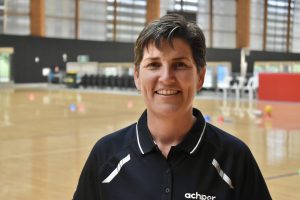 Janice Atkin, Professional Learning Officer, ACHPER NSW
Janice has worked as a PDHPE teacher, Head Teacher and curriculum consultant for 30 years. She has extensive experience with curriculum development in NSW, Australia and internationally, and recently managed the review of the Australian Curriculum: Health and Physical Education. Janice provides professional development, support and resources for departments, schools and teachers across Australia.
Learn innovative and practical ways to teach movement skills and physical activity through Aboriginal and Torres Strait Islander games. Exploring the new K-6 PDHPE syllabus, discover ways to boost engagement and embed cultural understanding and awareness.
Learn how to embed collaboration and research skills into Stage 5 programs to prepare students for the Year 11 HMS Collaborative Investigation. Lisa will provide practical examples and model activities implemented in a unit of work on challenge and adversity. You will be provided with a sample learning sequence and assessment ideas for class use.
 Lisa Quinn, ACHPER NSW Professional Learning Officer and PDHPE Teacher, Corrimal High School
Lisa is an experienced Head Teacher PDHPE and has worked as a RFF primary school PE teacher. She has planned and delivered workshops for ACHPER and the DoE including Teaching Sexual Health, Inclusive and Safe practices, and Reimagining PE. As a Project Officer, Lisa has guided teachers across NSW to develop their knowledge and skills in PDHPE syllabus programming and effective assessment.
Are you passionate about providing comprehensive and inclusive sexual health education? Learn how to create a classroom environment that respects and acknowledges the diverse backgrounds, identities, and experiences of all students. Gain insights into developing a sexuality and sexual health education curriculum that is inclusive of all genders, sexual orientations, cultural backgrounds, and abilities. The session will cover:
- Dimensions of diversity and their impact on sexuality and sexual health education.
- Inclusive language and practices that foster a respectful and supportive learning environment.
- Real-world case studies and best practices for teaching sexual health education through a diversity lens.
- Interactive activities and discussions that illustrate how to address sensitive topics with empathy and accuracy.
 Rhiannon Watson, Education Officer, Family Planning Australia
Rhiannon is dedicated to empowering young people through comprehensive sexuality education, aiming to boost their safety and well-being. Specialising in training design and facilitation, she empowers educators and professionals to effectively teach sexuality education. Drawing from her experience in the classroom as a Primary Ethics Teacher and background in policy development within the NSW Government, Rhiannon applies this diverse perspective to understand and improve educational outcomes in NSW.
Learn strategies for implementing formative assessment practices that drive learning and student progress in PDHPE. Explore a variety of assessment techniques that provide real-time feedback, enabling students to reflect on their performance and set goals for improvement. Discover how to design assessments that align with learning outcomes, foster student engagement, and differentiate instruction to meet diverse learning needs.
 Elle Smith, Project Officer, ACHPER NSW & Senior Learning Coach and PDHPE Teacher, St Andrew’s Cathedral School
Elle has over 15 years experience in education as a PDHPE teacher, including as an educational leader in teacher professional development and educational consultant with various organisations. Elle has been involved with the NESA Board Curriculum Committee for PDHPE and is a long-term content creator for the HSC PDHPE course with Edrolo. When not in the classroom, Elle leads whole school professional development programs for teachers and leaders to improve their teaching expertise and student outcomes.
Explore the health status of First Nations young people in Australia through a case study approach. Examine key health indicators, cultural and social determinants of health, and the disparities faced by Indigenous youth. Learn how to use case studies to engage students in meaningful discussions about health equity, historical and ongoing impacts of colonisation, and strategies for improving outcomes. The session includes resources and methods to facilitate sensitive and informed discussions in the classroom, promoting a deeper understanding of First Nations health issues among students.
 Carly McPherson, Assistant Head of PDHPE, International Grammar School
Carly has been a passionate PDHPE teacher for 10 years and has held leadership roles in Wellbeing and PDHPE. She holds both a Master of Education with a specialisation in Mathematics and PDHPE qualifications. As Assistant Head of the PDHPE Department Carly focuses on curriculum. She is dedicated to the creation and implementation of curriculum that is designed to enable students to thrive both within and beyond the school context.
Explore comparing health status across various populations using Australian health reports. Learn how to guide students in analysing key health indicators through data interpretation, graph reading, and table analysis, as well as identifying health disparities, trends, and the social determinants influencing different groups within Australia. The session includes practical techniques to help students critically engage with health reports, understand the significance of health data, and draw informed conclusions about the health status of diverse populations.
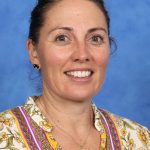 Alex Walters, Director of Learning for Wellbeing, St Brigid’s Catholic College, Lake Munmorah
Alex been teaching for 19 years including Stage 6 PDHPE and CAFS since 2007 and head of Department roles from 2008-2018. Alex is also an experienced senior marker.
Delve into the world of cognitive load and memory retention to support learning in CAFS. Learn techniques to help structure the delivery of course content and learning to your students. Enhance their memory retention, ultimately leading to more effective learning outcomes and greater exam success.
 Rachel McKay, Education Consultant and Professional Learning Officer, ACHPER NSW
Rachel is an experienced CAFS and PDHPE teacher who has been teaching in K-12 schools since 2009. She has a wide range of experience leading in areas including faculty, secondary curriculum, middle school wellbeing and differentiation for students with diverse learning needs. She is passionate about supporting student growth and achievement by developing teachers’ capacity to embed evidence-based practice into classroom and assessment.
Ensuring all students achieve proficiency in fundamental movements is essential. The workshop will model the importance of structured skill development, differentiated instruction, and continuous feedback for best outcomes. This is a practical session with game-based learning activities that you can use with your classes to introduce, develop and consolidate your students’ fundamental movement proficiency.
 Jodie Wilks, Primary PDHPE Teacher, Hunter Valley Grammar School
A former secondary teacher, Jodie found her passion in teaching primary PDHPE 10 years ago. A strong believer in the value of fundamental movement skills in the primary years, Jodie has great enthusiasm for sparking student engagement through humour, fun and modified games. She has worked for ACHPER NSW for many years developing and delivering professional learning.
Teach risk management through a strengths-based approach in PDHPE. Shift the focus from risk avoidance to empowering students to make informed, positive decisions based on their strengths and protective factors. Unpack practical methods to build resilience, self-efficacy, and responsible decision-making while addressing topics such as mental health, personal safety, and social pressures.
 Janice Atkin, Professional Learning Officer, ACHPER NSW
Janice has worked as a PDHPE teacher, Head Teacher and curriculum consultant for 30 years. She has extensive experience with curriculum development in NSW, Australia and internationally, and recently managed the review of the Australian Curriculum: Health and Physical Education. Janice provides professional development, support and resources for departments, schools and teachers across Australia.
Explicit questioning in games-based lessons can dramatically enhance learning. Learn how to use skinny and fat questions, question starters and questioning protocols. See how techniques such as the 5Ws and the debate of ideas can help to develop thinking players and game understanding.
 Dr Kelly Ann Parry, ACHPER NSW Board and Lecturer, Australian College of Physical Education
Kelly is a passionate educator with a philosophy grounded in student-centric and innovative pedagogies. She has lead PDHPE faculties in Australia and the UK. Kelly believes in supporting students to be physically literate and providing authentic learning experiences so that students can value movement.
Explore the concepts of resilience and post-traumatic growth within your leadership and well-being journey. Discover how to bounce back from adversity and go on to thrive and flourish. The session will focus on the impact of self-efficacy and optimism to empower educators to foster growth and wellbeing and cover:
- the difference between resilience and post-traumatic growth
- roles of self-efficacy and optimism in fostering post-traumatic growth
- practical strategies and frameworks to support individuals in transcending resilience
- applying strategies in educational settings to improve overall wellbeing and performance.
 Michelle Falzon, Founder/CEO, Positive Wellbeing Education
Michelle Falzon is a Positive Psychology Coach and owner of Positive Wellbeing Education. Based in Melbourne, Australia, she specialises in coaching psychology, positive psychology, positive organisational psychology, and post-traumatic growth. With a mission to help individuals thrive, flourish, and succeed, Michelle brings a wealth of expertise to their work, empowering people to live with meaning and purpose.
 Jason Pascoe, Director, The Enactive Solution
Jason, in his fifth career, brings a wealth of experience from education to mental health promotion and leadership development. From leading a PDHPE department to contributing to the national Mindmatters initiative, he transitioned to coaching psychology. Jason now trains teachers and school leaders in Solution Building tools and the Host Leadership model, enhancing their conversations, foster resilience and create progress. He co-leads the Transcending Resilience program, focusing on self-efficacy, optimism, and leadership growth and is an active part of the Traction Collaborative for middle leaders.
Explore techniques to engage students in understanding the principles of human movement, force, and motion through experiential learning. Get hands-on at this practical workshop with a variety of practical biomechanics experiments to help students connect theoretical knowledge with real-world application. The session includes a range of ready-to-use practical activities that make biomechanics accessible, engaging, and relevant for students.
 James Muir
James is an experienced Stage 6 teacher who has presented regularly for ACHPER NSW at Stage 6 conferences and workshops. James has a deep knowledge of the Core 2 content and designs innovative, interactive and educational practical experiences for students that make the learning stick.
Explore how technological advancements and data-driven innovations are transforming Australia’s healthcare system. Examine the benefits and challenges of integrating digital health tools, electronic health records, and AI in healthcare delivery, as well as key issues such as patient data privacy, the role of big data in improving public health outcomes, and how technology is reshaping the patient-care experience. The session includes practical ideas and a sample learning sequence for teaching about the evolving landscape of healthcare in Australia as a depth study in Year 12 HMS.
 Pam Williams, Head Teacher, Lisarow High School
Pam has been an educator for 30 years, with experience as Head Teacher PDHPE and Administration at various schools. Pam’s expert knowledge of PDHPE curriculum planning and syllabus has seen her lead and drive change across a wide range of initiatives. Pam firmly believes in the value of developing and nurturing relationships for effective teaching and learning.
Looking to review your current CAFS assessment processes and need new ideas? Explore a wide range of formative and summative assessment practices that will make your overall assessment process easier. With practical examples and collaborative activities, this workshop will equip you with the knowledge and confidence to implement quality assessments.
Rachel McKay, Education Consultant and Professional Learning Officer, ACHPER NSW
Rachel is an experienced CAFS and PDHPE teacher who has been teaching in K-12 schools since 2009. She has a wide range of experience leading in areas including faculty, secondary curriculum, middle school wellbeing and differentiation for students with diverse learning needs. She is passionate about supporting student growth and achievement by developing teachers’ capacity to embed evidence-based practice into classroom and assessment.
 Chloe Roman, Secondary PDHPE Teacher, Toongabbie Christian College
Chloe is a passionate and dedicated Secondary PDHPE teacher with four years of experience. She has successfully taught Stage 6 CAFS, 7-10 PDHPE, and Year 9/10 PASS. Chloe is currently pursuing a Master of Education with a specialisation in Curriculum and Assessment at UNSW and is writing a thesis, reflecting her commitment to ongoing learning and professional development. Committed to fostering strong relationships, Chloe maintains high expectations and tailors learning experiences to students’ interests and strengths.
In the bustling day-to-day work of teachers, where every lesson counts towards shaping young minds, hearts, and bodies, PE is often viewed simplistically as the curriculum of physical activity, games, and sports. But is it merely about health, or does PE have a deeper impact on students’ holistic development?
Dr Dean Dudley and colleagues recently conducted a systematic review and meta-analysis (Dudley et al., 2022) delving into this question, uncovering intriguing insights that could reshape how we view and implement PE in schools.
The study which spanned 135 research endeavours from over 20 countries and included more than 42,500 students, aimed to evaluate the effects of various PE lessons and interventions on students: psychomotor, cognitive, affective, and social development. What it found was paradigm shifting: PE interventions wielded significant influence across all four domains. Beyond just being a platform for physical activity, PE emerged as an incredibly powerful mechanism for enhancing multifaceted learning and development.
 Dr Dean Dudley, Associate Professor (Health and Physical Education), Macquarie School of Education, Macquarie University
Dean is internationally recognised for his work in physical education, learning assessment, pedagogy, and physical literacy. He was a 2012 Churchill Fellow and an expert consultant for UNESCO’s Quality Physical Education Guidelines for Policy Makers (2015). He was appointed as an advisor to the Australian Sports Commission National Sport Research Agenda in 2022, and Physical Education Specialist to the Oceanic National Olympic Committee (Education Commission) in 2023.
Building respectful relationships and teaching consent education are essential components of creating a safe and inclusive school community. Discover valuable tools and techniques to effectively teach your students about respect, consent, and fostering positive relationships.
Janice Atkin, Professional Learning Officer, ACHPER NSW
Janice has worked as a PDHPE teacher, Head Teacher and curriculum consultant for 30 years. She has extensive experience with curriculum development in NSW, Australia and internationally, and recently managed the review of the Australian Curriculum: Health and Physical Education. Janice provides professional development, support and resources for departments, schools and teachers across Australia.
Learn how to harness the benefits of the great outdoors to enhance physical education, promote student well-being, and foster a lifelong appreciation for nature. The workshop will explore practical insights into planning and implementing outdoor activities that engage students in physical activity, enhance their health and wellbeing, and connect them with the natural world.
 Lori Modde, CEO, Outdoors NSW/ACT
Lori has worked in community and economic development for close to 30 years. As the CEO of Outdoors NSW & ACT, she is leading the organisation in being a strong peak body for the industry. Lori holds numerous volunteer board roles and volunteers in mentoring programs. Her previous work includes senior roles with Tourism NSW, Hills Shire Council, and Sydney Olympic Park Authority.
Explore strategies for developing a deep understanding of PDHPE core concepts. Utilising the Understanding by Design (UbD) framework, learn how to design and implement effective learning and assessments that promote critical thinking and comprehensive understanding. The session will cover:
- An overview of the UbD framework and its application in the PDHPE curriculum.
- Developing essential questions and uncovering big ideas that drive deep understanding and inquiry in PDHPE.
- Implementing instructional strategies that engage students and support the development of deep understanding.
Elle Smith, Project Officer, ACHPER NSW & Senior Learning Coach and PDHPE Teacher, St Andrew’s Cathedral School
Elle has over 15 years experience in education as a PDHPE teacher, including as an educational leader in teacher professional development and educational consultant with various organisations. Elle has been involved with the NESA Board Curriculum Committee for PDHPE and is a long-term content creator for the HSC PDHPE course with Edrolo. When not in the classroom, Elle leads whole school professional development programs for teachers and leaders to improve their teaching expertise and student outcomes.
Build confidence to expand beyond traditional sports by incorporating diverse movement contexts that foster physical competencies for lifelong activity. Explore practical ideas and creative methods such as dance, outdoor adventures, functional fitness, and recreational activities that engage students of all abilities. Learn how these varied movement experiences can build motor skills, confidence, and motivation for long-term physical health.
 Dr Rhiannon White, Senior Lecturer, Western Sydney University
Rhiannon has a background in PE teaching and has been a lecturer at Western Sydney University for 10 years. She currently teaches the gymnastics, dance, aquatics, athletics, and lifelong physical activity components of Western’s HPE degree. Through this work she has consulted a range of PE teachers across NSW to build and develop contemporary ways of embedding these more challenging movement contexts into PE lessons with limited resources.
Explore comparing health status across various populations using Australian health reports. Learn how to guide students in analysing key health indicators through data interpretation, graph reading, and table analysis, as well as identifying health disparities, trends, and the social determinants influencing different groups within Australia. The session includes practical techniques to help students critically engage with health reports, understand the significance of health data, and draw informed conclusions about the health status of diverse populations.
Alex Walters, Director of Learning for Wellbeing, St Brigid’s Catholic College, Lake Munmorah
Alex been teaching for 19 years including Stage 6 PDHPE and CAFS since 2007 and head of Department roles from 2008-2018. Alex is also an experienced senior marker.
Learn how to set up and deliver a depth study that focuses on training for improved performance. Norm will provide real-life examples of training programs from his own work with athletes to model the structure and sequence of learning.
 Norm Moore, PDHPE teacher, Kinross Wolaroi School
Norm has been a PDHPE teacher at Kinross for 6 years and has 15 years’ experience as a youth and high school athletic development and strength and conditioning coach. While at the Western Regional Academy of Sport he won the Strength of America Award recognising programs that represent the gold standard in strength and conditioning. He has a keen interest in improving our student’s fundamental movement skills in a way that is fun and engaging and has regularly coached junior teams in soccer, basketball, and cricket
Learn how to create relevant, impactful lessons on the unique challenges and needs rural and remote families. Explore the use of case studies, practical activities, and current data to enhance student understanding of geographic isolation, access to services, and social wellbeing.
Clare Roden, Associate Lecturer, Health and Physical Education/Secondary Curriculum and Pedagogy, University of Wollongong
Clare is an experienced educator with over 20 years experience in high school and tertiary education specializing in Personal Development, Health, and Physical Education and Secondary Curriculum and Pedagogy. She has delivered professional learning to teachers from K – 12 across NSW through ACHPER NSW and is currently teaching the next generation of teachers at the University of Wollongong in both primary and secondary education undergraduate degrees.
An introduction to the new AFL Game Sense program for primary school lessons. Unpack the resources to support the program, along with the connection to community opportunities. Explore formative and summative assessment opportunities.
Adam Bunce, Schools Engagement Lead, AFL Schools
Adam worked as a PE teacher in both Australia and the United Kingdom for 15 years, before moving to sport organisations in 2016. In his role with the AFL Adam works with schools throughout NSW & ACT to shape the lives of students through high quality physical education experiences.
Foster communities of exercise within your PDHPE program to promote sustained physical activity and peer support. Learn strategies and actionable ideas for creating collaborative and inclusive environments where students engage in group activities, share fitness goals, and motivate each other. The session will cover the benefits of social connections in exercise adherence, as well as practical ways to structure group challenges, fitness clubs, and peer-led initiatives.
 Rachael Holland, Head Teacher, PDHPE, Newtown High School of the Performing Arts
As a passionate and motivated PDHPE teacher, Rachael has experience as Year Adviser and Sports Coordinator, driven to holistically improve student academic excellence through rigorous and engaging learning experiences. As Head Teacher PDHPE, Rachael is eagerly leading a dynamic faculty and collaboration network between the Inner West Community of School PDHPE teachers to implement high impact and effective Health & Movement Science programming fostering student agency, challenging them to be creative and critical thinkers.
What are high-impact teaching strategies you can use to improve learning outcomes in PDHPE? Unpack the evidence-based approaches such as differentiated instruction, formative assessment, and explicit teaching to boost student engagement and achievement. The session will cover practical techniques to foster deep learning, critical thinking, and skill development, all while catering to diverse student needs.
 Samuel Rowlings, PDHPE teacher, St Patrick’s College Strathfield
Sam has worked in various leadership roles including in the pastoral domain as year coordinator and co-curricular as Master-In-Charge of Rugby Union. In this time, he has been an active team member of the learning and innovation team and has facilitated seminars for his school colleagues.
Explore how technological advancements and data-driven innovations are transforming Australia’s healthcare system. Examine the benefits and challenges of integrating digital health tools, electronic health records, and AI in healthcare delivery, as well as key issues such as patient data privacy, the role of big data in improving public health outcomes, and how technology is reshaping the patient-care experience. The session includes practical ideas and a sample learning sequence for teaching about the evolving landscape of healthcare in Australia as a depth study in Year 12 HMS.
Pam Williams, Head Teacher, Lisarow High School
Pam has been an educator for 30 years, with experience as Head Teacher PDHPE and Administration at various schools. Pam’s expert knowledge of PDHPE curriculum planning and syllabus has seen her lead and drive change across a wide range of initiatives. Pam firmly believes in the value of developing and nurturing relationships for effective teaching and learning.
Explore techniques to engage students in understanding the principles of human movement, force, and motion through experiential learning. Get hands-on at this practical workshop with a variety of practical biomechanics experiments to help students connect theoretical knowledge with real-world application. The session includes a range of ready-to-use practical activities that make biomechanics accessible, engaging, and relevant for students.
James Muir
James is an experienced Stage 6 teacher who has presented regularly for ACHPER NSW at Stage 6 conferences and workshops. James has a deep knowledge of the Core 2 content and designs innovative, interactive and educational practical experiences for students that make the learning stick.
Learn how to work smarter, not harder, when it comes to the CAFS Independent Research Project (IRP). Explore different ways to teach the IRP which you can adapt to your school context. Learn new ideas around content, IRP facilitation and assessment. Discover methods to enhance student research skills, promote critical thinking and guide them to success.
Chloe Roman, Secondary PDHPE Teacher, Toongabbie Christian College
Chloe is a passionate and dedicated Secondary PDHPE teacher with four years of experience. She has successfully taught Stage 6 CAFS, 7-10 PDHPE, and Year 9/10 PASS. Chloe is currently pursuing a Master of Education with a specialisation in Curriculum and Assessment at UNSW and is writing a thesis, reflecting her commitment to ongoing learning and professional development. Committed to fostering strong relationships, Chloe maintains high expectations and tailors learning experiences to students’ interests and strengths.
Advance your PE programs beyond Fundamental Movement Skills (FMS) to develop comprehensive physical literacy in students. Explore strategies for fostering physical, cognitive, social, and emotional competencies that enable students to confidently participate in various physical activities throughout life. The session will look at ways to design lessons that integrate problem-solving, self-regulation, and collaborative skills, alongside motor development. Create holistic PE experiences that empowers students to become lifelong movers, fully equipped with the knowledge and skills to maintain an active, healthy lifestyle.
Jodie Wilks, Primary PDHPE Teacher, Hunter Valley Grammar School
A former secondary teacher, Jodie found her passion in teaching primary PDHPE 10 years ago. A strong believer in the value of fundamental movement skills in the primary years, Jodie has great enthusiasm for sparking student engagement through humour, fun and modified games. She has worked for ACHPER NSW for many years developing and delivering professional learning.
Explore methods for designing games and activities that challenge students to think strategically, solve problems, and adapt their movements in real-time. Encourage students to analyse game tactics, make quick decisions, and apply creative solutions in dynamic environments. Learn practical strategies to foster higher-order thinking in physical activities, helping students become more engaged, reflective, and innovative learners in the PE classroom.
 Gareth Long, Director of Program Innovation & Development, Australian College of Physical Education
Gareth is the Course Director of the Bachelor of Football (Development, Management & Performance) degree at the Australian College of Physical Education. He specialises in Coach Education and Physical Literacy.
What are the practical ways to differentiate instruction and support diverse learners in the PDHPE classroom? Learn how to tailor lessons to meet student’s varied physical, cognitive, and social-emotional needs, including those with disabilities, different skill levels, and learning styles. Unpack adaptive teaching techniques, modifications to activities, inclusive assessment methods, and other actionable tools to create an inclusive and equitable PDHPE environments.
Janice Atkin, Professional Learning Officer, ACHPER NSW
Janice has worked as a PDHPE teacher, Head Teacher and curriculum consultant for 30 years. She has extensive experience with curriculum development in NSW, Australia and internationally, and recently managed the review of the Australian Curriculum: Health and Physical Education. Janice provides professional development, support and resources for departments, schools and teachers across Australia.
Explore the Year 12 HMS exercise assessment and program prescription content. Learn how to use pre-exercise questionnaires and health screenings to assess client readiness for exercise, followed by strategies for implementing effective fitness tests to tailor programs to individual needs. Unpack motivational techniques, goal setting, and behaviour change strategies to help overcome barriers to regular exercise. The session will combine theory with practical activities and tools to design engaging lessons for your Year 12 HMS program.
Rachael Holland, Head Teacher PDHPE, Newtown High School of the Performing Arts
As a passionate and motivated PDHPE teacher, Rachael has experience as Year Adviser and Sports Coordinator, driven to holistically improve student academic excellence through rigorous and engaging learning experiences. As Head Teacher PDHPE, Rachael is eagerly leading a dynamic faculty and collaboration network between the Inner West Community of School PDHPE teachers to implement high impact and effective Health & Movement Science programming fostering student agency, challenging them to be creative and critical thinkers.
Explore the health status of First Nations young people in Australia through a case study approach. Examine key health indicators, cultural and social determinants of health, and the disparities faced by Indigenous youth. Learn how to use case studies to engage students in meaningful discussions about health equity, historical and ongoing impacts of colonisation, and strategies for improving outcomes. The session includes resources and methods to facilitate sensitive and informed discussions in the classroom, promoting a deeper understanding of First Nations health issues among students.
Carly McPherson, Assistant Head of PDHPE, International Grammar School
Carly has been a passionate PDHPE teacher for 10 years and has held leadership roles in Wellbeing and PDHPE. She holds both a Master of Education with a specialisation in Mathematics and PDHPE qualifications. As Assistant Head of the PDHPE Department Carly focuses on curriculum. She is dedicated to the creation and implementation of curriculum that is designed to enable students to thrive both within and beyond the school context.
Discover innovative ways AI can be used to support students in crafting effective extended response answers in CAFS. Explore AI tools that help students brainstorm ideas, organise their thoughts, and refine their writing, while maintaining academic integrity. Focus on teaching strategies to guide students in using AI to enhance critical thinking and writing skills, particularly when analysing complex issues in family, community, and societal contexts.
Kelly Pfeiffer, Education consultant
An innovative educator with years of experience, Kelly has a reputation for excellence in the classroom, and as a leader and networking champion. Kelly has a keen eye for emerging trends, and seeking creative ways to engage students and inspire learning. Kelly’s work includes designing engaging curricula using project-based learning and collaborative inquiry approaches.